


Two Folds, Three Sides, Big Business Rides
When it comes to printed marketing, brochures are still going strong. They’re simple, handy, and a solid way to get your brand or message across—especially if you want something that’s easy to hand out, keep, or mail.
Out of all the styles out there, tri fold brochure folding tends to be the crowd favorite. It’s used everywhere—from small local businesses to bigger corporations in Malaysia.
But what exactly is a tri fold brochure, and why do so many businesses keep going back to it?
Let’s break it down.
So, What Is a Tri Fold Brochure?
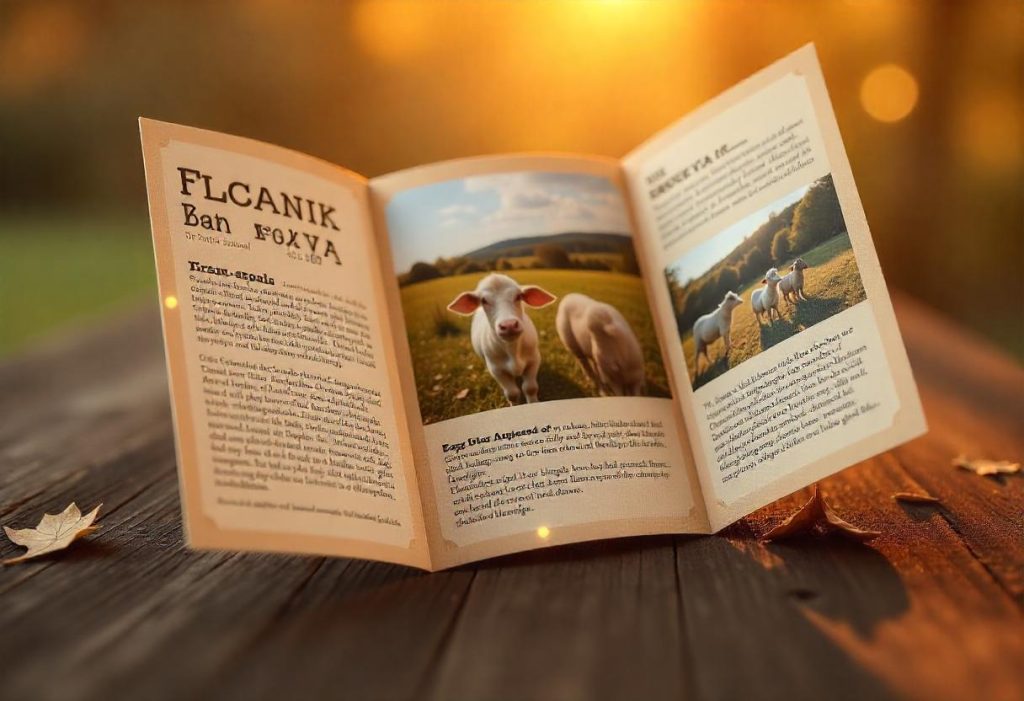
Just take one piece of paper, fold it twice, and you’ll get three sections on each side—six panels altogether. Enough room to share your message without cramping everything in. Once folded, it’s small and easy to carry around—it can even fit in your bag or back pocket. But once opened, it reveals a nice flow of information—like flipping through pages of a tiny booklet. It feels structured, but not stiff.
Where You’ll Usually See Tri Fold Brochures
You’ve probably picked one up at:
- A clinic’s front desk
- A hotel counter
- A property showroom
- A café or restaurant
- An event or roadshow
They’re great for things like:
- Business profiles
- Product highlights
- Event guides
- Travel packages
- F&B promotions
- Course details or school info
The design leads people from one panel to the next—which is helpful when you want them to follow a message or take action by the end.
So, What Types of Brochure Folds
Brochures come in a variety of folding styles, and each type plays an important role in how your message is delivered. The way a brochure is folded affects not only its appearance, but also how readers interact with the content. By understanding the different folding options available, businesses can choose a format that best suits their marketing goals, whether it’s for promotions, product showcases, or informational materials
1. Bi-Fold Brochure
A bi-fold brochure is one of the simplest and most commonly used formats. It is created by folding a sheet of paper once, resulting in four panels—front cover, back cover, and two inner sections. This clean and straightforward layout makes it ideal for presenting concise information in a professional manner. Businesses often use bi-fold brochures for company introductions, service overviews, or event announcements where clarity and simplicity are key.
2. Tri Fold Brochure Folding
Tri fold brochure folding divides a single sheet into three equal sections, creating six panels in total. This structured layout allows content to be organised into a logical flow, guiding readers from one section to the next. It is especially effective for storytelling, step-by-step information, or highlighting multiple products and services within a compact format. Because of its balance between space and readability, tri fold brochure folding is widely used across industries and remains a top choice for marketing campaigns.
3. Z-Fold Brochure
A Z-fold brochure, also known as an accordion fold, is folded in a zigzag pattern that opens out in a continuous sequence. This design makes it easy for readers to scan information panel by panel without interruption. It is particularly suitable for content that follows a process, such as instructions, timelines, or guided explanations. The smooth unfolding experience also adds a dynamic touch, making it more engaging compared to traditional folding styles.
4. Gate Fold Brochure
A gate fold brochure features two outer panels that fold inward and meet in the centre, opening up to reveal a larger inner panel. This unique design creates a sense of anticipation and is often used for high-impact presentations. Businesses typically choose gate fold brochures when they want to showcase visuals, highlight a key message, or create a premium impression for their brand. It works especially well for product launches, luxury marketing, or special promotions.
Why Tri Fold Brochures Work So Well
1. Small in Size, Big on Info
They might look small, but you can fit quite a lot of content inside. You’ve got just enough room on each panel to organize your content neatly—maybe start with a quick intro, then explain what you offer, show some prices, or even include a simple map. It’s an easy way to share useful info without cramming everything in. Plus, the size makes it practical to carry around, pass to customers, or slip into a goodie bag.
2. Organised and Easy to Read
The folds actually help make the design clearer. Each panel gives your content room to breathe, so nothing feels cramped. It also lets you lay things out in a way that naturally leads the reader from one part to the next—almost like flipping through a story, step by step.
Some common layouts:
- Front panel: Logo + tagline or a striking image
- Middle panels: Main info—products, services, details
- Back panel: Contact info, social media, QR code
3. Won’t Blow the Budget
Tri fold brochures are generally affordable, especially if you’re printing in larger quantities. This makes them perfect for small businesses, SMEs, or anyone doing a large-scale promo.
You don’t need a fancy budget to create something professional. With good design and decent paper, a tri fold brochure can look polished and well thought-out—without costing too much.
4. Flexible for Any Business
Whether you’re selling houses, offering tuition, running a food stall, or promoting a wellness retreat—the tri fold format adapts easily. You just change the layout and tone to match your brand.
Some quick examples:
- A school brochure might include an intro, subject list, and enrollment info.
- A café might showcase menu items, promotions, and location details.
- A property agency might include floor plans, features, and developer info.
Even with a basic layout, a brochure can still look polished—what matters most is how well the design is thought through.

Before You Hit Print—A Few Things to Watch Out For
Printing brochures sounds straightforward, but the little details? That’s where things can go wrong—or really shine.
Paper Makes a Difference
The paper you pick changes everything. Glossy ones bring out strong colors—good if your brochure’s full of photos or bold visuals. If you want something more muted and clean-looking, matte paper’s a solid choice. It just depends on what suits your brand best.
Folds Need to Be Spot-On
It’s a small thing, but trust us—if the fold isn’t right, it throws off the whole layout. You might end up with misaligned panels or text that looks slightly off. It’s always better to go with a printer who knows how to fold it properly and neatly.
Watch the Edges
Don’t place important stuff too close to the edge. When the paper gets trimmed or folded, anything near the line might get cut or shifted. That’s why bleed and margin space matter. A good printer will guide you on this, so nothing important gets chopped off.
Print Quality Makes All the Difference
It doesn’t matter how good the design is—if the printing’s not done properly, it throws everything off. The colors might look flat, the text isn’t sharp, and a messy fold just makes the whole thing feel unfinished.
That’s why it’s worth getting it printed properly. With a professional printer, you’ll get:
- Sharp, crisp visuals
- Consistent folds
- Vibrant, accurate colours
- A brochure feels different when it’s printed on good paper—not too flimsy, nice to hold.
If you want to make it look a bit more “premium,” you can also go for finishes like lamination, spot UV, or embossing. Nothing over the top—just small touches that make it look more put-together.
Final Thoughts
Tri fold brochures might look simple, but with the right design and printing, they do the job really well. They’re structured, flexible, and don’t cost a bomb—all packed into one neat sheet.
If you need something that’s easy to hand out, clear to read, and straight to the point, tri folds are a solid choice.
Thinking of getting some printed?
United Mission Press (UMP) offers professional commercial printing services tailored to your business needs—from design advice to final production.
Let’s make your first impression count.